- By Admin
- Corporate
The Importance of Shock-Absorbing Wheels for Transporting Sensitive Equipment
The efficiency of operations within scientific laboratories, advanced hospitals, and precision electronics manufacturing facilities depends heavily on highly sensitive and sophisticated testing and measurement equipment. When it comes to moving these valuable assets—often worth millions—from one location to another within a facility, overlooking the importance of proper mobility solutions can create significant operational and financial risks.
Even a single sudden impact or severe vibration caused by uneven flooring, expansion joints, or surface imperfections can disrupt calibration accuracy or damage delicate electronic components. This is where advanced mobility solutions become essential. Rather than simply supporting weight, they function as a protective barrier that absorbs impact energy and isolates equipment from floor irregularities, ensuring safe and reliable transportation.
If protecting your critical equipment from operational damage is a priority, understanding the specifications of shock-resistant caster wheels in Egypt is a crucial step toward managing your internal logistics safely and efficiently.
How Do Shock-Absorbing Wheels Protect Valuable Equipment?
Shock-absorbing casters are engineered with advanced mechanical systems and specialized materials that convert the force of vertical impacts caused by floor imperfections into dissipated motion. Their role extends far beyond simple mobility; they act as miniature suspension systems similar to those found in modern vehicles, isolating the load from surface vibrations.
These specialized wheels provide immediate safety benefits that help protect sensitive assets, including:
Elimination of Dynamic Vibrations
They prevent harsh shock waves and rebound forces from reaching internal structures, lenses, displays, and delicate components within medical and laboratory equipment.
Smooth and Silent Movement
By eliminating rattling and impact noises, they create a quieter and more comfortable work environment that enhances concentration and productivity for technicians, engineers, and researchers.
Effortless Obstacle Navigation
They allow equipment to move smoothly over power cables, metal thresholds, floor joints, and minor obstacles without sudden jolts or interruptions.
Engineering Specifications for Sensitive Equipment Wheels
Using standard commercial wheels or rigid casters for transporting sophisticated equipment is a costly mistake. Hard wheel materials transfer impact forces directly to the equipment, increasing the risk of damage.
Modern engineering solutions combine multiple protection mechanisms to achieve the highest safety standards for sensitive devices.
When selecting mobility systems for valuable equipment, ensure the following features are included:
1. Mechanical Suspension Systems (Spring-Loaded Casters)
These advanced caster assemblies incorporate built-in springs that automatically compress when the wheel encounters bumps, holes, or uneven surfaces. This mechanical action absorbs shock and helps maintain equipment stability throughout transportation.
2. Intelligent Wheel Tread Materials
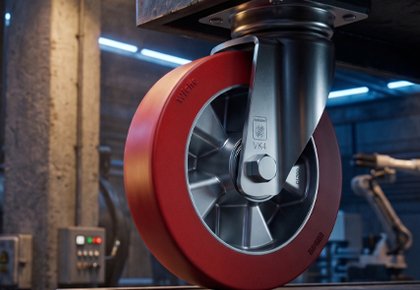
High-Purity Industrial Rubber (Gray Rubber)
An ideal choice for medical equipment and lightweight sensitive devices. It offers superior flexibility for vibration absorption while preventing floor marking on sterile or specialized surfaces.
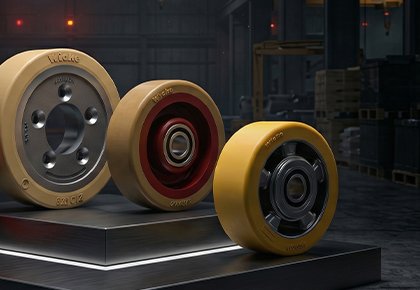
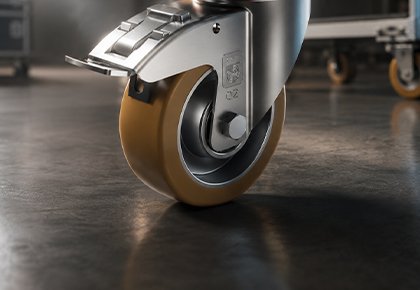
High-Density Flexible Polyurethane
Perfect for heavy sensitive equipment, combining excellent load-bearing capacity with strong shock absorption and floor protection properties.
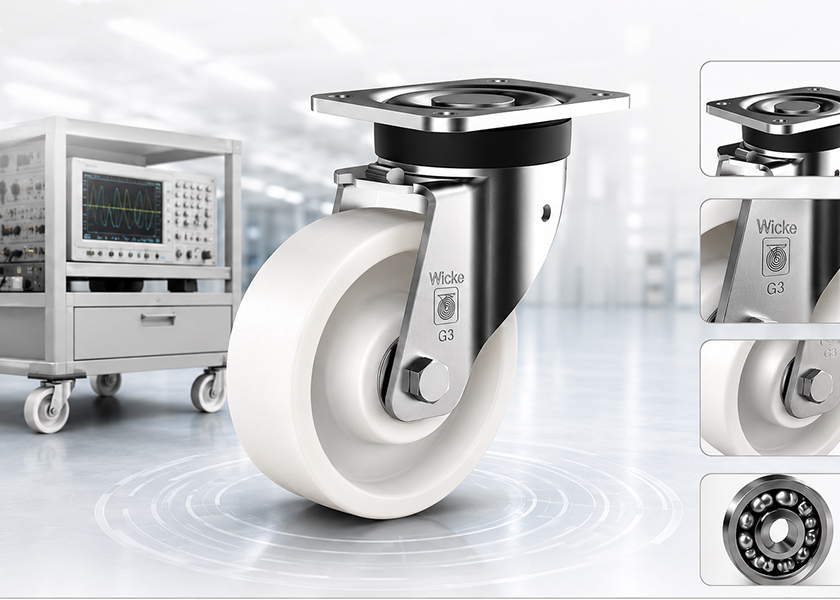
3. Reinforced Sealed Bearings
High-precision dual ball-bearing systems ensure smooth 360-degree maneuverability with minimal effort. This improves control and reduces the risk of sudden movements or side vibrations during turns.
Frequently Asked Questions About Moving Sensitive Equipment
What is the primary benefit of spring-loaded casters for sensitive equipment?
The most important benefit is shock absorption and vibration isolation. The spring mechanism compresses to absorb energy generated by uneven flooring, preventing vibrations from reaching the equipment's internal components and helping maintain calibration accuracy.
Does wheel material affect equipment stability during transportation?
Absolutely. Rigid materials such as steel or hard nylon transfer impacts directly to the equipment, increasing vibration and instability. Flexible materials such as industrial rubber and polyurethane absorb shocks and provide smoother, more stable movement.
When should antistatic wheels be used for sensitive equipment in Egypt?
Antistatic wheels are essential when transporting equipment used in operating rooms, server environments, and electronics manufacturing facilities. These wheels safely dissipate static electricity into the ground, protecting sensitive electronic circuits from damage or failure.
Conclusion: Protect Your Critical Equipment with Confidence Through One Step
Investing in advanced shock-resistant mobility solutions is not a luxury—it is a critical safeguard against costly operational and financial losses that can result from damage to sensitive measurement, testing, and medical equipment.
The small details, such as suspension quality and wheel material selection, make a significant difference in reducing maintenance costs and preserving equipment performance for years to come.
At One Step, we fully understand the strategic value and operational sensitivity of your equipment. That is why we provide a premium range of caster wheels Egypt and shock-absorbing mobility solutions that meet the highest international quality standards.
Contact One Step today, and let our technical specialists help you select the ideal specifications and engineering solutions to ensure your sensitive equipment moves safely, quietly, and with maximum protection from impact and vibration.