- By Admin
- 23 Nov, 2026
- Corporate
Choosing the right industrial wheel for heavy-duty work environments
Choosing the Right Industrial Wheels for Heavy-Duty Work Environments
Selecting the right industrial wheel is a critical decision in heavy-duty work environments. It directly impacts operational efficiency, workplace safety, equipment performance, and long-term maintenance costs. Whether in manufacturing plants, logistics centers, warehouses, or distribution facilities, the correct wheel ensures smooth movement and reliable operation under demanding conditions.
Why Is Choosing the Right Industrial Wheel Important?
Industrial wheels in heavy-duty applications are constantly exposed to high loads, rough surfaces, and continuous operation. Using unsuitable wheels can result in:
- Frequent wheel failures.
- Reduced equipment mobility.
- Increased labor and energy consumption.
- Safety risks for operators.
- Higher maintenance and replacement costs.
Proper wheel selection helps prevent these issues and improves overall productivity.
Key Factors to Consider
1. Load Capacity
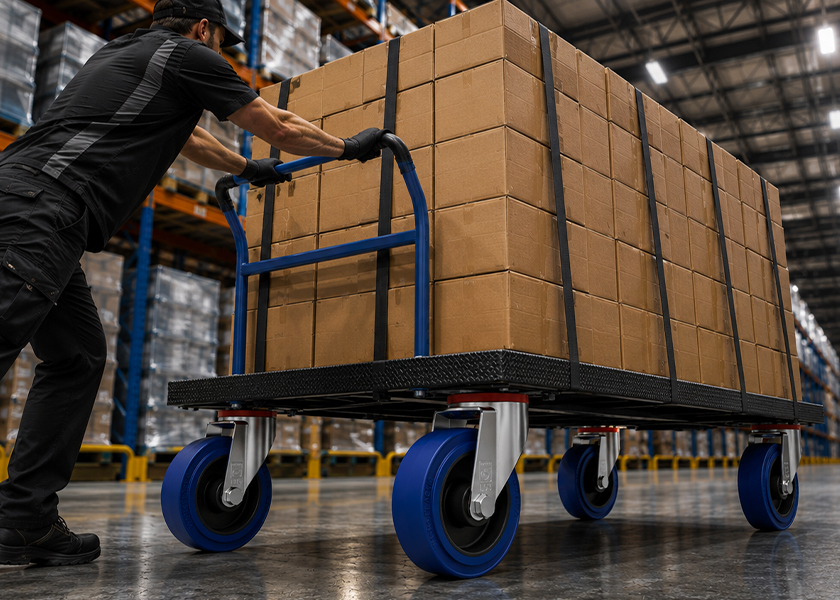
The first step is determining the total weight of the equipment and the load being transported. It is recommended to choose wheels with a higher load capacity than the actual operating weight to ensure a safety margin.
2. Floor Conditions
Different floor surfaces require different wheel materials:
- Concrete floors require durable and wear-resistant wheels.
- Epoxy floors need non-marking wheels that protect the surface.
- Uneven floors benefit from shock-absorbing wheel materials.
3. Wheel Material
Wheel material significantly affects performance:
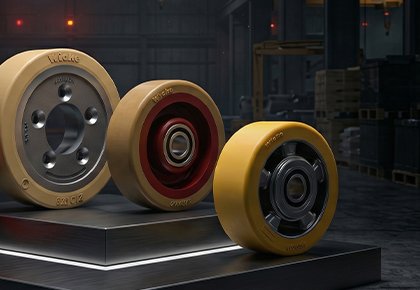
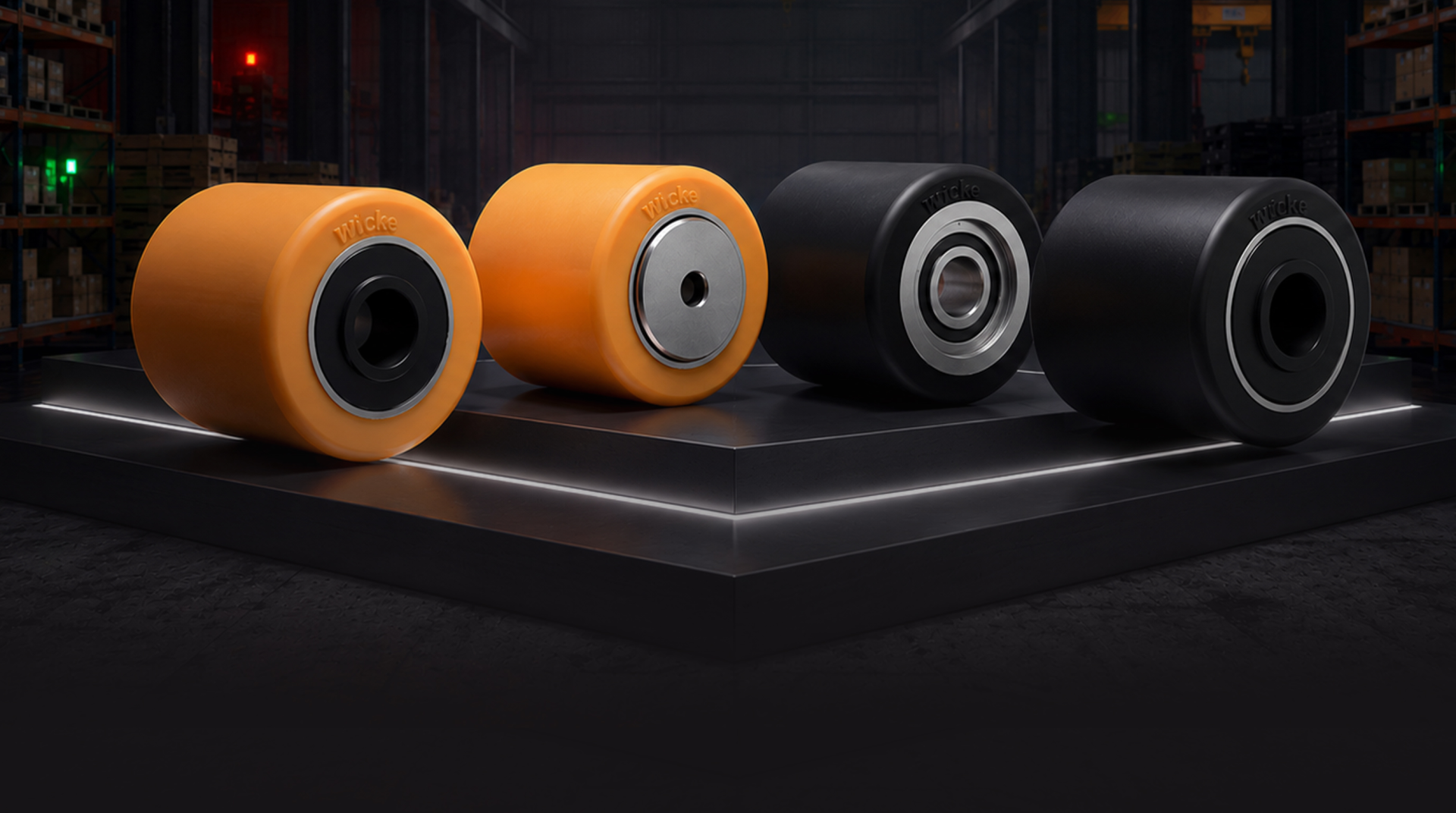
- Polyurethane wheels offer excellent wear resistance and high load capacity.
- Elastic rubber wheels provide smooth and quiet movement with superior shock absorption.
- Polyamide (nylon) wheels are ideal for demanding industrial environments.
- Steel wheels are suitable for extremely heavy-duty applications.
4. Operating Environment
Environmental conditions should always be considered, including:
- High or low temperatures.
- Moisture and water exposure.
- Chemicals and oils.
- Continuous daily operation.
Choosing wheels that match these conditions helps maximize service life.
5. Caster Type
Depending on the application, you can choose:
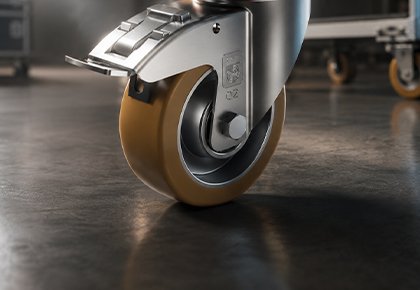
- Fixed casters for straight-line movement.
- Swivel casters for better maneuverability.
- Brake casters for enhanced control and safety.
Recommended Wheels for Heavy-Duty Applications
For industrial environments handling heavy loads, polyurethane wheels and polyamide wheels are among the most popular choices due to their strength, durability, and resistance to wear.
Casters with galvanized steel or stainless-steel frames are also preferred in environments exposed to corrosion, moisture, or intensive use.
Tips Before Purchasing
- Calculate load requirements accurately.
- Choose products from a trusted supplier.
- Evaluate floor and environmental conditions.
- Verify bearing quality and durability.
- Select wheels with an additional safety margin.
Conclusion
Choosing the right industrial wheels for heavy-duty work environments is essential for improving efficiency, reducing downtime, and ensuring workplace safety. By evaluating load capacity, floor conditions, wheel materials, and operating environments, businesses can invest in reliable mobility solutions that deliver long-term performance and value.