- By Admin
- 23 Nov, 2026
- Corporate
How Industrial Wheels Improve Efficiency in Warehouses and Logistics Centers
Efficiency is the foundation of every successful warehouse and logistics operation. From moving pallets and equipment to transporting products across large facilities, every movement impacts productivity, operating costs, and customer satisfaction. One component that plays a vital role in these processes is the industrial wheel.
Although often overlooked, high-quality industrial wheels can significantly improve workflow, reduce equipment strain, and enhance workplace safety. Choosing the right wheels allows businesses to optimize material handling operations and maintain consistent performance in demanding environments.
The Role of Industrial Wheels in Logistics Operations
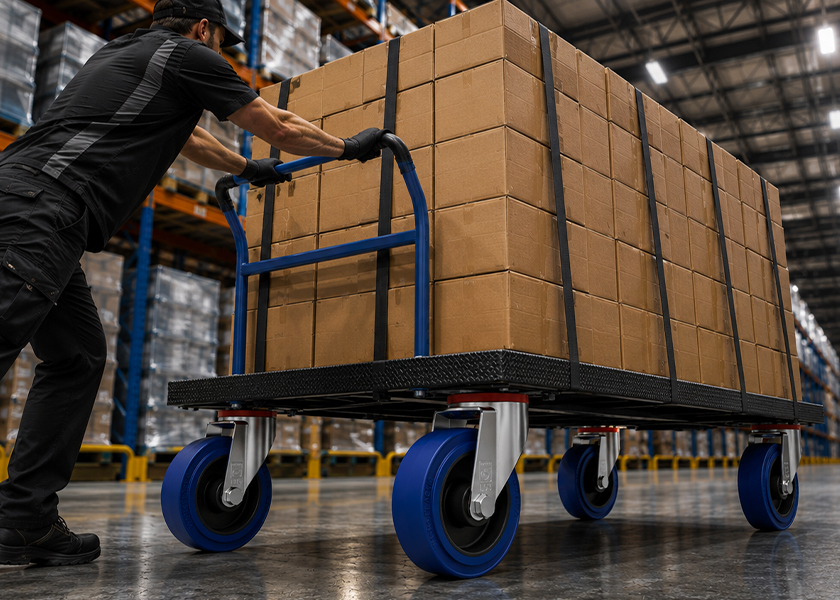
Warehouses and logistics centers rely heavily on mobility. Carts, trolleys, racks, and handling equipment must move smoothly and efficiently throughout the facility. Industrial wheels provide the mobility required to transport goods quickly while minimizing physical effort and operational delays.
Poor-quality wheels can increase rolling resistance, slow down operations, and create unnecessary stress on workers and equipment.
Faster Material Handling
One of the biggest advantages of using the right industrial wheels is improved material handling speed. Wheels designed for specific load capacities and floor conditions allow equipment to move more easily, reducing transportation time between storage, packing, and shipping areas.
As a result, businesses can process more orders and improve overall productivity.
Reduced Equipment Wear
Industrial wheels help distribute weight evenly across handling equipment. High-quality wheels reduce vibration and impact, protecting carts, racks, and transport systems from excessive wear and tear.
This leads to lower maintenance costs and extends the lifespan of valuable equipment.
Improved Workplace Safety
Safety is a top priority in any warehouse environment. Damaged or unsuitable wheels can create instability, increase the risk of accidents, and make it difficult to control heavy loads.
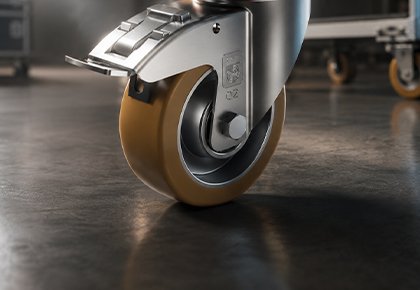
Using reliable industrial wheels with appropriate load ratings and braking systems helps improve equipment stability and provides safer working conditions for employees.
Lower Operating Costs
Efficient mobility solutions contribute directly to cost savings. Durable industrial wheels require less frequent replacement, reduce maintenance downtime, and improve operational efficiency.
Over time, investing in high-quality wheels can significantly reduce total operating expenses.
Choosing the Right Wheels for Warehouse Applications
Several factors should be considered when selecting industrial wheels for logistics and warehousing operations:
- Load capacity requirements.
- Floor surface conditions.
- Frequency of use.
- Environmental conditions.
- Wheel material and durability.
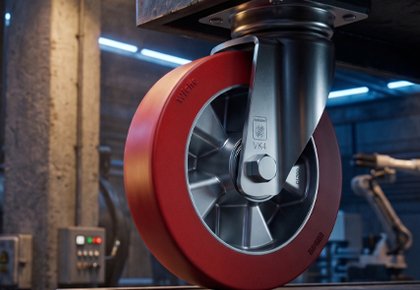
- Swivel or fixed caster configurations.
Proper evaluation ensures maximum performance and long-term reliability.
Popular Wheel Materials for Logistics Environments
Polyurethane Wheels
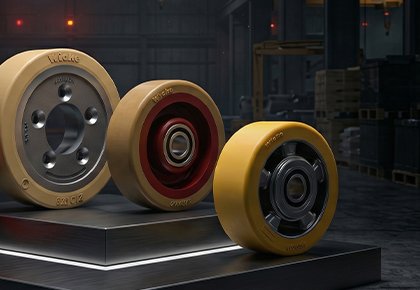
Polyurethane wheels are widely used in warehouses due to their durability, floor protection, and ability to handle heavy loads.
Elastic Rubber Wheels
These wheels offer quiet operation and excellent shock absorption, making them suitable for facilities where noise reduction is important.
Polyamide Wheels
Known for their strength and resistance to wear, polyamide wheels are commonly used in demanding industrial and logistics applications.
Conclusion
Industrial wheels may seem like a small component, but they have a major impact on warehouse and logistics performance. By improving mobility, reducing maintenance costs, enhancing safety, and supporting efficient material handling, the right wheels help businesses achieve smoother operations and greater productivity.
Investing in high-quality industrial wheels is a practical step toward building a more efficient and reliable logistics operation.