- By Admin
- 23 Nov, 2026
- Corporate
Choosing the Right Industrial Wheels for Heavy-Duty Work Environments
In modern factories, warehouses, and distribution centers, mobility solutions play a critical role in maintaining efficient operations. While businesses often focus on major equipment and machinery, the importance of selecting the right industrial wheels is frequently overlooked. The right wheel can significantly improve productivity, safety, and operational reliability, while the wrong choice can lead to frequent maintenance issues and unnecessary downtime.
Industrial wheels are designed to support and move heavy loads under demanding conditions. They are exposed to continuous stress, rough surfaces, and long operating hours, making proper selection essential for long-term performance.
What Are Heavy-Duty Work Environments?
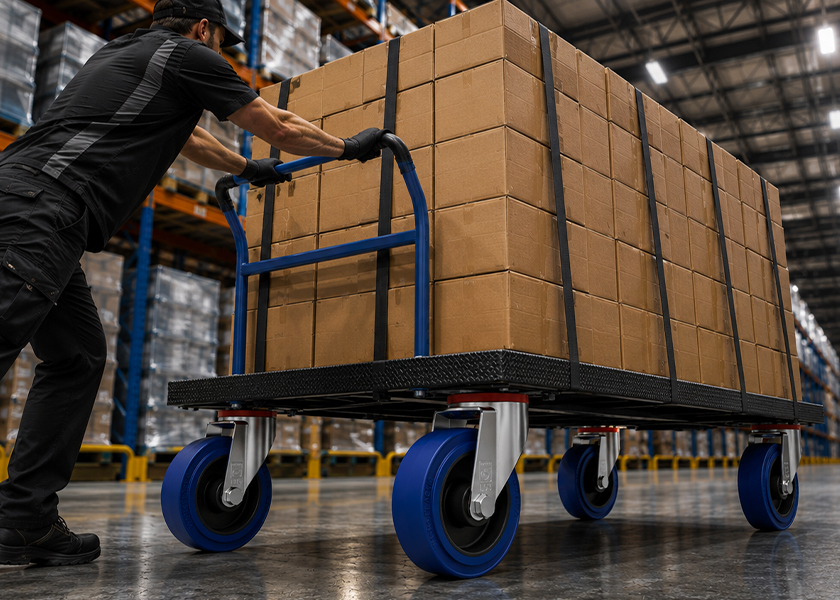
Heavy-duty environments are workplaces where equipment, carts, and machinery are required to transport substantial loads on a daily basis. Common examples include:
- Manufacturing facilities
- Warehouses and storage centers
- Logistics and distribution hubs
- Metal and engineering industries
- Shipping and handling operations
- Food processing and pharmaceutical facilities
These applications require wheels that can withstand constant use without compromising safety or efficiency.
Key Factors When Choosing Industrial Wheels
Load Capacity
The first and most important factor is determining the total weight the wheel will support. This includes the weight of the equipment as well as the load being transported. Choosing wheels with sufficient load capacity helps prevent premature wear and improves operational safety.
Floor Surface Conditions
Different floor types require different wheel materials. Concrete floors, epoxy-coated surfaces, and uneven industrial flooring each present unique challenges. Selecting a wheel designed for the operating surface helps reduce wear while ensuring smooth movement.
Wheel Material
The material of the wheel directly affects performance, durability, and resistance to environmental conditions.
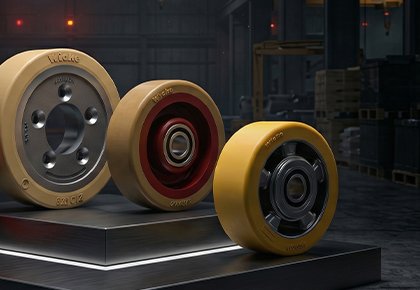
Common industrial wheel materials include:
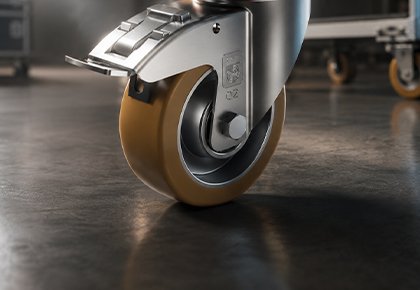
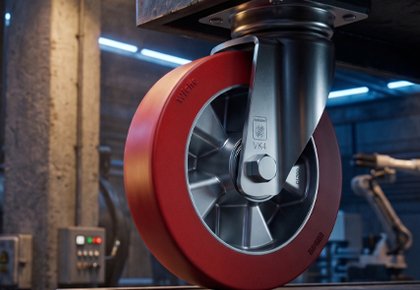
- Polyurethane wheels for high load capacity and excellent wear resistance.
- Elastic rubber wheels for quiet operation and shock absorption.
- Polyamide wheels for demanding industrial applications.
- Steel wheels for extremely heavy-duty environments.
Each material offers specific advantages depending on the application.
Operating Conditions
Environmental factors should always be considered during the selection process. Conditions such as moisture, chemicals, oils, dust, and extreme temperatures can impact wheel performance and lifespan.
Using wheels designed for the intended environment helps reduce maintenance requirements and ensures consistent performance.
The Importance of High-Quality Casters and Bearings
Industrial wheel performance depends not only on the wheel itself but also on the quality of the caster frame and bearings. Durable galvanized steel or stainless-steel frames provide additional strength and corrosion resistance, while premium bearings improve mobility and reduce rolling resistance.
High-quality components contribute to smoother operation and longer service life.
Benefits of Selecting the Right Industrial Wheels
Investing in the correct industrial wheels offers several advantages:
- Improved material handling efficiency.
- Reduced equipment downtime.
- Lower maintenance and replacement costs.
- Extended equipment lifespan.
- Enhanced workplace safety.
- Smoother and more reliable movement.
These benefits can have a direct impact on productivity and overall operational performance.
Conclusion
Choosing the right industrial wheels for heavy-duty work environments is an important investment that affects efficiency, safety, and long-term operating costs. By evaluating load capacity, floor conditions, wheel materials, and environmental factors, businesses can select reliable mobility solutions that deliver consistent performance and support demanding industrial operations for years to come.