- By Admin
- 21 Jun, 2026
- Corporate
The Complete Guide to Industrial Wheels in Egypt: Types and Specifications
The wheels of industry in Egypt are moving faster than ever, and keeping pace with this momentum requires reliable supply chains and efficient mobility solutions that never stop performing. Behind every heavy-duty machine, warehouse cart, and material-handling system lies a small yet critical component that significantly impacts productivity: industrial wheels.
Designed to carry heavy loads and withstand demanding working conditions, industrial wheels play a vital role in ensuring smooth operations. Choosing the right wheel is not a minor detail—it is a strategic investment that protects your products, improves workplace safety, and extends the lifespan of your equipment.
If you are looking for greater efficiency and reliability, understanding industrial wheels Egypt and how to select the right type is the first step toward creating a productive and interruption-free working environment.
What Are Industrial Wheels and How Do They Differ from Standard Wheels?
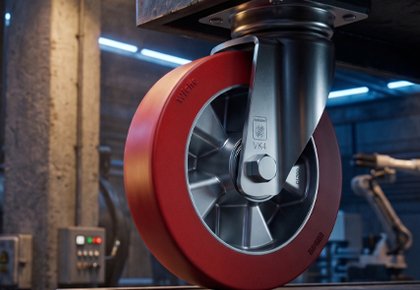
Industrial wheels are specifically engineered for demanding environments such as factories, warehouses, logistics centers, and ports. Unlike conventional wheels, they are designed to handle substantial loads while resisting impacts, chemicals, moisture, and high temperatures.
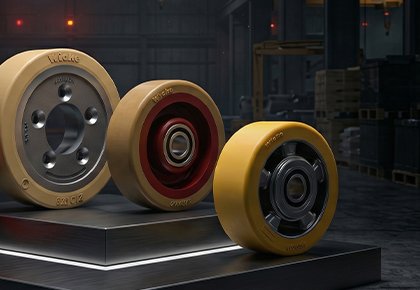
These wheels feature specialized engineering characteristics that ensure safe and efficient transportation, with different materials available to suit specific operating conditions.
Polyurethane Wheels
Polyurethane combines the flexibility of rubber with the strength of metal, making it an ideal solution for protecting floors while supporting medium to heavy loads.
Nylon and Reinforced Plastic Wheels
These wheels offer exceptional resistance to chemicals and moisture while providing smooth movement on flat and even surfaces.
Cast Iron and Steel Wheels
The preferred choice for extremely heavy loads and high-temperature environments. Their durability makes them suitable for demanding industrial applications, although they perform best on strong concrete floors.
Industrial Rubber Wheels
Rubber wheels provide quiet operation and excellent shock absorption, making them particularly suitable for hospitals, laboratories, and sensitive equipment.
How to Choose the Right Industrial Wheel Specifications for Your Project
Purchasing industrial wheels without carefully evaluating your operational requirements can result in unnecessary expenses, frequent replacements, and potential damage to facility flooring.
Effective mobility engineering requires careful planning to ensure maximum performance with minimal maintenance costs over the long term.
When selecting industrial wheels, focus on the following three key factors:
1. Load Capacity
Calculate the total weight of the equipment plus its maximum expected load. Divide this figure by the number of wheels being used while including an additional safety margin to account for uneven surfaces and weight distribution.
2. Working Environment and Floor Conditions
Different environments require different wheel materials. Chemical-processing facilities often benefit from nylon wheels, while workshops containing metal debris may require durable polyurethane or heavy-duty wheel materials to prevent premature wear.
3. Mobility and Steering Requirements
Rigid Casters
Rigid casters move only in a straight line, providing excellent stability for carts and equipment that travel long distances.
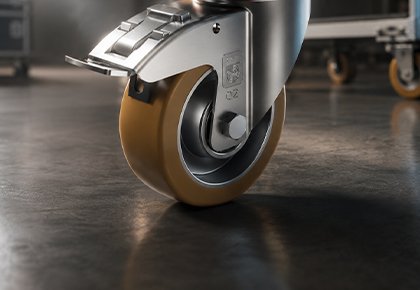
Swivel Casters
Swivel casters rotate 360 degrees, offering maximum maneuverability and making it easier to navigate tight aisles and confined workspaces.
Why Is Working with an Industrial Wheel Manufacturer in Egypt a Smart Choice?
Although the Egyptian market offers a wide range of imported products, partnering with a specialized local manufacturer can provide significant operational advantages that generic imported products often cannot match.
A local manufacturer offers more than products—they provide expertise tailored to Egyptian industrial environments, climate conditions, and operational requirements.
Key advantages include:
Complete Customization
Industrial wheels can be manufactured according to your exact specifications, ensuring compatibility with your production lines, equipment, and operational needs.
Fast Technical Support
Local availability of spare parts and maintenance services minimizes downtime and eliminates the delays associated with international shipping and imports.
Reliable Quality Assurance
Working directly with a manufacturer allows you to inspect materials, verify load capacities, and ensure compliance with industry standards before deployment.
Conclusion: Keep Your Business Moving with Confidence Through One Step
Industrial wheels are far more than replacement components—they are the foundation of smooth operations and uninterrupted productivity. Investing in high-quality wheels with the correct specifications from the beginning helps reduce maintenance costs, improve safety, and protect both equipment and personnel.
At One Step, we understand that every industry has unique mobility requirements. That is why we provide more than products—we deliver customized mobility solutions designed to enhance operational efficiency and support long-term business success.
Contact One Step today and let our experts help you choose the ideal industrial wheels for your project, backed by the highest standards of quality, reliability, and performance in the Egyptian market.