- By Admin
- 21 Jun, 2026
- Corporate
Rubber Caster Wheels in Egypt: The Ideal Choice for Quiet and Safe Mobility
Every industrial facility and logistics warehouse requires a reliable strategy for managing the movement of equipment and internal transport systems safely and efficiently. When setting up your operation, you will quickly discover that choosing the wrong wheel can become a costly mistake—damaging expensive epoxy flooring and creating constant workplace noise that affects productivity.
Among the many wheel materials available on the market, rubber remains one of the most trusted solutions thanks to its exceptional flexibility and superior ability to absorb vibrations caused by uneven surfaces. Choosing rubber wheels is not a step backward from modern technology; rather, it is a smart engineering decision based on a thorough understanding of the application, environment, and operational requirements.
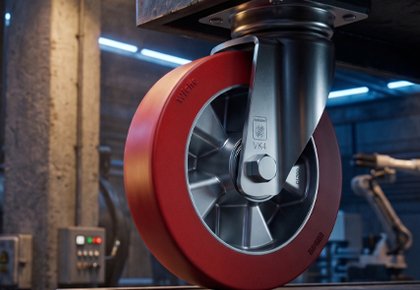
If you are looking for silent operation and maximum floor protection, exploring rubber caster wheels Egypt may provide the ideal mobility solution for your daily operations.
What Makes Industrial Rubber Wheels Unique?
Industrial rubber wheels feature a highly flexible structure that allows the outer tread to compress slightly and adapt to bumps, small obstacles, gravel, floor joints, and surface imperfections. This natural flexibility acts as an integrated shock-absorption system, protecting equipment and sensitive mechanical components from excessive vibration during movement.
Rubber wheels offer a unique combination of benefits that are difficult to achieve with metal or hard plastic alternatives.
Completely Quiet Operation
Rubber wheels significantly reduce rattling and rolling noise inside production facilities, warehouses, and narrow corridors, creating a more comfortable working environment and improving employee concentration.
Maximum Protection for Sensitive Flooring
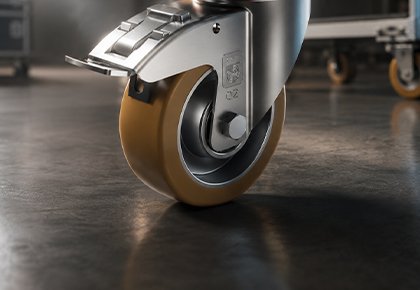
They glide smoothly across tile, marble, and epoxy surfaces without scratching, cracking, or damaging the floor finish over time.
Easy Obstacle Navigation
Rubber wheels roll effortlessly over cables, wires, thresholds, and expansion joints, minimizing sudden stops and maintaining smooth equipment movement.
When Are Rubber Wheels the Best Choice?
While polyurethane and nylon wheels provide excellent performance in many applications, there are specific environments where rubber wheels remain the most effective solution for achieving maximum safety and operational efficiency.
Understanding when to choose rubber instead of harder materials can help reduce maintenance costs and improve overall equipment performance.
1. Hospitals, Laboratories, and Electronics Facilities
Applications involving highly sensitive testing equipment, medical devices, and precision instruments require maximum vibration reduction during transportation to prevent damage and maintain calibration accuracy.
2. Warehouses with Uneven Floors or Outdoor Areas
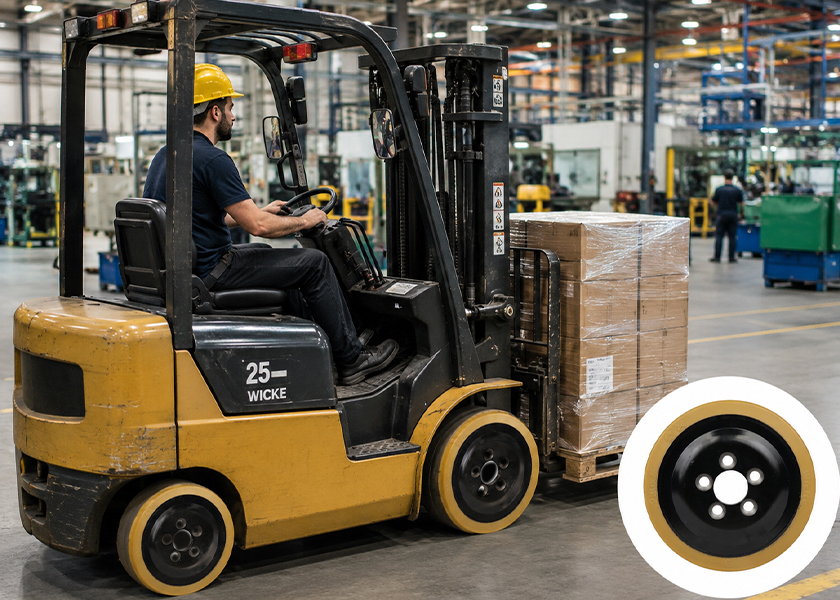
Rubber wheels perform exceptionally well in outdoor factory yards, loading areas, and facilities with rough concrete surfaces or manufacturing debris.
3. Applications Requiring Enhanced Slip Resistance
Rubber offers excellent traction, providing superior stability on smooth or wet surfaces and reducing the risk of accidents caused by slipping equipment.
Frequently Asked Questions About Industrial Rubber Wheels
What is the difference between solid rubber and pneumatic rubber wheels?
Solid rubber wheels feature a dense rubber construction that cannot puncture and generally supports higher load capacities. Pneumatic rubber wheels use air-filled tires and provide the highest level of shock absorption, making them ideal for rough outdoor terrain.
Do rubber wheels leave black marks on factory floors?
Traditional black rubber wheels may leave marks during sudden stops or dragging. However, non-marking gray rubber wheels are available and are specifically designed for use on epoxy and other sensitive flooring surfaces.
How do you choose between rubber and polyurethane wheels?
If your primary priorities are silent operation, vibration absorption, and light-to-medium load handling, rubber wheels are typically the better choice. If you require greater load capacity, longer service life, and excellent floor protection, polyurethane wheels may be the preferred option.
Conclusion: Move Your Equipment Safely and Smoothly with One Step
There is no universally “best” wheel material—only the material that is most suitable for your specific application and operating environment. Investing in the right rubber wheels demonstrates a commitment to creating a quieter, safer workplace while protecting valuable infrastructure and sensitive equipment.
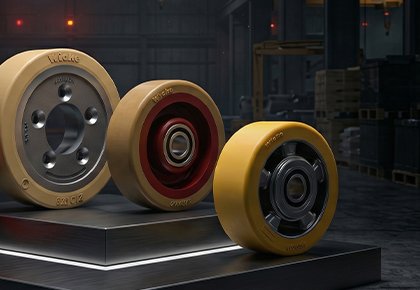
At One Step, we offer a comprehensive range of industrial mobility solutions and premium rubber caster wheels designed to meet the highest international quality standards in the Egyptian market.
Contact One Step today and let our technical specialists evaluate your facility’s requirements, helping you select the ideal wheel specifications and sizes to keep your operations running smoothly, quietly, and efficiently without interruption.