- By Admin
- 21 Jun, 2026
- Hospitality
Medical Casters and Wheels for Hospitals: Essential Features for Safe Healthcare Mobility
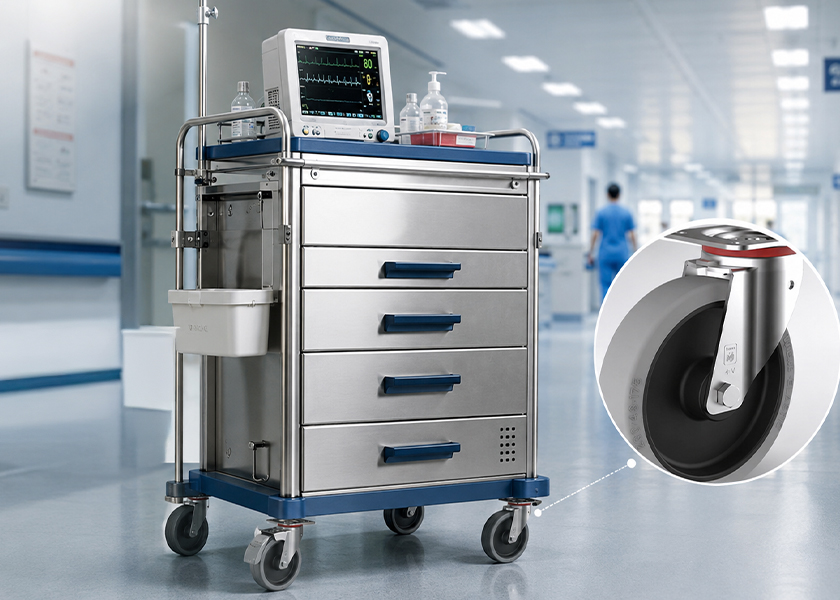
Quality and efficiency standards in healthcare facilities differ significantly from those in industrial and commercial sectors, where precision is critical and there is no room for error. In hospitals and healthcare environments, patient safety and the effectiveness of medical teams depend heavily on the smooth and reliable movement of equipment and devices between operating rooms, clinics, and advanced laboratories. Behind every hospital bed, medication cart, and diagnostic machine that moves quietly through a facility lies a crucial engineering component: medical-grade casters designed to meet strict hygiene requirements and withstand continuous sterilization procedures. Choosing the right mobility solution is not merely an accessory decision—it is a commitment to infection control standards and the long-term protection of valuable medical equipment.
If you are looking to equip your healthcare facility with the highest standards of efficiency and safety, understanding the specifications of medical casters and wheels is the first step toward creating an ideal healthcare environment.
Essential Requirements for Medical Equipment Casters
Standard industrial or commercial casters are not suitable for operating rooms, intensive care units, or other healthcare settings. Medical environments demand specialized features that prevent bacterial growth and withstand aggressive cleaning agents, disinfectants, and sterilization processes. These casters must be manufactured from high-quality materials that resist chemical exposure while protecting sensitive flooring surfaces.
Modern medical equipment casters offer several critical features:
Corrosion-Resistant Construction
Medical casters are commonly manufactured with stainless steel frames or reinforced engineering plastics that can withstand repeated washing, sterilization, and exposure to cleaning chemicals without corroding or deteriorating.
Enclosed and Hygienic Design
Advanced casters feature enclosed structures and thread guards that prevent hair, surgical threads, gauze, and debris from wrapping around the wheel assembly. This design simplifies cleaning procedures and reduces contamination risks.
Quiet and Smooth Operation
High-quality rubber or polyurethane wheels absorb vibrations and eliminate unnecessary noise, helping maintain a calm environment that enhances patient comfort and supports healthcare professionals during daily operations.
How to Choose the Right Medical Casters for Different Applications
Selecting the wrong mobility solution in a healthcare environment can damage sensitive medical equipment, hinder emergency response times, and compromise operational efficiency. Medical mobility systems should be selected based on equipment weight, application requirements, and the specific healthcare department where they will be used.
1. Casters for Operating Rooms and Diagnostic Equipment
Sensitive medical devices such as imaging systems, monitoring equipment, and laboratory instruments often require antistatic or conductive casters. These specialized wheels safely dissipate static electricity, protecting delicate electronic components and reducing potential risks.
2. Casters for Hospital Beds and Emergency Carts
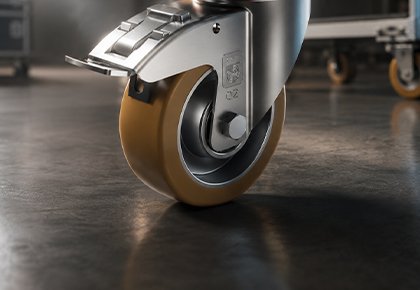
Hospital beds and emergency response carts should be equipped with advanced braking systems and central locking mechanisms. These features allow healthcare professionals to secure equipment instantly and ensure stability during patient care and transportation.
3. Casters for Incubators and Intensive Care Equipment
Neonatal incubators and critical care equipment require wheels with superior shock absorption capabilities. Soft rubber or premium polyurethane wheels help eliminate vibrations that could affect vulnerable patients or highly sensitive medical devices.
Frequently Asked Questions About Medical Casters
What is the best wheel material for hospitals and medical laboratories?
Non-marking gray rubber and high-quality polyurethane are considered the best options. These materials provide silent operation, protect healthcare flooring, resist chemicals, and maintain excellent durability under frequent cleaning.
Why are enclosed medical casters important?
Enclosed designs with thread guards prevent the accumulation of dust, contaminants, medical waste, and fibers around wheel bearings. This improves hygiene, reduces maintenance needs, and ensures smooth wheel performance.
What are antistatic casters, and when should they be used?
Antistatic casters are manufactured using conductive materials that safely transfer static electrical charges to the floor. They are essential for diagnostic equipment, laboratory instruments, operating rooms, and other applications involving sensitive electronics.
Support Safe Healthcare Mobility with One Step
Medical casters play a vital role in maintaining efficient healthcare operations and ensuring that patients receive timely care without unnecessary interruptions. Investing in high-quality mobility solutions helps protect hospital infrastructure, preserve expensive medical equipment, and create a safer and more comfortable healthcare environment.
At One Step, we understand the unique requirements of hospitals, clinics, laboratories, and healthcare facilities. That is why we provide a comprehensive range of premium medical casters and mobility solutions designed to meet the highest standards of safety, hygiene, and durability. Contact One Step today and let our specialists help you select the ideal caster specifications for your healthcare facility.