- By Admin
- 21 Jun, 2026
- Corporate
Industrial Wheel Maintenance: How to Extend the Lifespan of Your Factory Cart Wheels
Modern factories and logistics facilities invest heavily in production line equipment and internal transport carts to ensure the smooth flow of goods and raw materials. However, the true efficiency of these systems does not end with the initial purchase. It is directly linked to how well the small but critical components that support daily movement are maintained.
Neglecting routine wheel maintenance can quickly lead to unexpected failures, resulting in supply chain disruptions, damage to expensive epoxy flooring, and potential safety hazards for workers and transported materials. Implementing a proactive maintenance strategy is not simply an additional task—it is a smart investment that extends equipment lifespan and saves thousands in replacement costs.
If you are looking to maintain operational efficiency and protect your assets, understanding proper industrial trolley wheels maintenance practices is essential for ensuring smooth and reliable movement.
Why Do Industrial Wheels Wear Out Quickly?
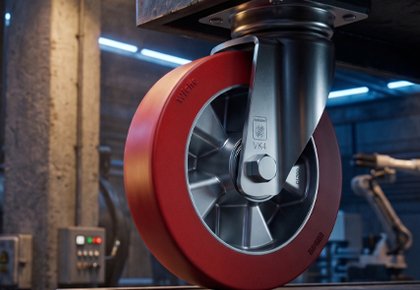
Industrial trolley wheels operate in demanding environments where they constantly roll over expansion joints, rough concrete surfaces, spilled chemicals, oils, and heavy loads. These harsh conditions accelerate wheel tread wear and bearing deterioration if regular inspections are not performed.
Several warning signs indicate that your wheels require immediate attention before complete failure occurs:
Increased Effort During Movement
When workers notice that carts require significantly more force to push or maneuver, wheel performance may be compromised.
Excessive Noise and Vibration
Grinding, squeaking, or rattling sounds often indicate dried lubrication or damaged internal bearings.
Flat Spotting
Visible flat sections on the wheel surface can develop when heavily loaded carts remain stationary for extended periods.
5 Golden Rules to Extend the Lifespan of Your Factory Wheels
A preventive maintenance program does not require substantial time or resources, yet it can dramatically reduce annual operating costs while protecting facility infrastructure. By following a few simple maintenance practices, companies can significantly extend wheel service life and maintain workplace safety.
1. Regular Cleaning and Debris Removal
Inspect wheels daily to ensure they are free from threads, wires, packaging materials, and other debris wrapped around the axle. Remove metal shavings, stones, and foreign objects that can damage both the wheel and facility flooring.
2. Consistent Lubrication
Lubricate wheel bearings regularly using the recommended grease, especially on wheels equipped with Zerk fittings. Proper lubrication reduces friction, prevents corrosion, and ensures smooth wheel rotation.
3. Structural Inspection and Fastener Checks
Inspect mounting bolts, nuts, and caster brackets regularly to verify they remain securely fastened. Check for cracks, bends, or structural damage caused by impacts and heavy usage.
4. Strict Adherence to Load Capacities
Avoid exceeding the wheel's rated capacity and ensure loads are evenly distributed across the cart. Uneven loading can place excessive stress on individual wheels and significantly shorten their lifespan.
Frequently Asked Questions About Industrial Wheel Maintenance
How often should industrial wheel bearings be lubricated?
Under normal operating conditions, wheel bearings should be lubricated every three to six months. In demanding environments such as food processing facilities, wash-down areas, or high-humidity locations, monthly lubrication is recommended to prevent corrosion and water intrusion.
What causes flat spotting, and how can it be prevented?
Flat spotting occurs when a heavily loaded cart remains stationary for long periods, causing permanent deformation of rubber or polyurethane wheel treads. This can be prevented by unloading carts when not in use or selecting steel wheels for long-term static load applications.
Does maintenance differ between manually pushed carts and mechanically towed equipment?
Yes. Wheels used for mechanical towing experience higher speeds and greater stress, requiring more frequent inspections of braking systems, safety locks, and bearing lubrication to prevent overheating and premature wear.
Conclusion: Keep Your Operations Moving Efficiently with Step One
Industrial wheels are the hidden foundation that supports the continuous movement of materials and logistics operations within your facility. Proper maintenance is a smart investment that protects equipment, reduces expenses, and enhances workplace safety.
Following simple but consistent inspection and maintenance procedures can significantly extend equipment lifespan, protect expensive flooring, and reduce costly downtime.
At Step One, we do more than supply premium products—we provide complete mobility solutions backed by extensive engineering expertise. Contact our team today to discover high-quality industrial trolley wheels and spare parts that meet international standards, along with the technical support needed to keep your operations running smoothly and efficiently.