- By Admin
- 21 Jun, 2026
- Corporate
Analysis of Industrial Wheel Prices in the Egyptian Market for 2026
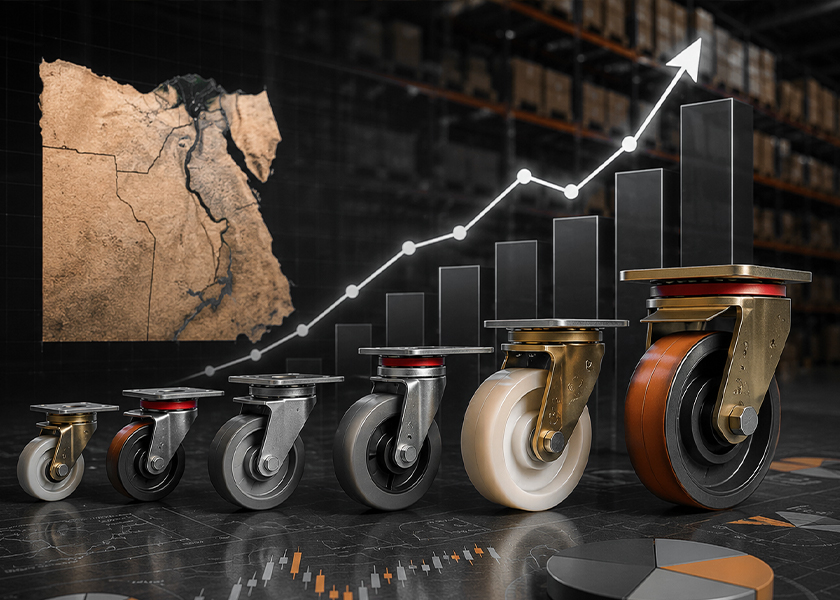
Egypt’s industrial and logistics sectors continue to experience significant growth, driven by the expansion of new cities, major port developments, and large-scale free zone projects. As businesses enter 2026, procurement managers and industrial operators face the challenge of balancing operational budgets while securing high-quality components that deliver long-term value.
Behind every efficient production line and logistics facility is a reliable mobility system powered by industrial wheels and casters that support heavy loads on a daily basis. Evaluating wheel prices and understanding the differences between local and imported products is no longer a routine purchasing task—it has become a strategic engineering and financial decision that directly affects operational efficiency, maintenance costs, and equipment longevity.
If you want to maximize your investment while adapting to current market conditions, partnering with a trusted caster wheels supplier that offers transparent pricing and quality assurance is an essential first step.
Factors Affecting Industrial Wheel Prices in 2026
Industrial wheel pricing cannot be determined by size alone. The true value of a wheel depends on its raw materials, manufacturing quality, import costs, and supply chain considerations.
The price you pay is directly linked to the level of performance, durability, and safety you receive in return.
Several key factors influence the cost of industrial mobility solutions:
Material Quality and Purity
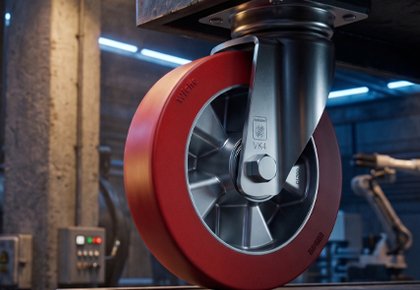
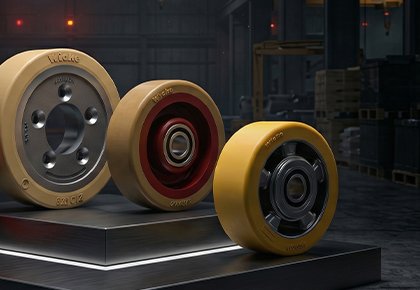
Cast polyurethane bonded to steel cores and high-grade heat-treated nylon typically cost more than standard rubber or recycled plastic alternatives. However, these premium materials offer significantly longer service life and greater reliability.
Caster Frame Construction
Heavy-duty caster frames manufactured from thick steel and equipped with sealed precision bearings increase the overall cost but provide superior load capacity, durability, and resistance to structural failure.
Import Costs and Currency Exchange Rates
Customs duties, shipping expenses, and exchange rate fluctuations continue to play an important role in determining the final price of imported German and European products compared to regional alternatives.
How to Balance Cost and Quality When Selecting Industrial Wheels
Choosing inexpensive industrial wheels from unreliable suppliers may appear to save money initially, but it often leads to higher long-term expenses through premature failures, floor damage, and production interruptions.
Working with an experienced industrial wheel supplier in Egypt helps ensure that you receive products that deliver genuine value and meet international quality standards.
To achieve the best balance between cost and performance, consider the following factors.
1. Calculate Total Cost of Ownership (TCO)
Instead of focusing solely on the initial purchase price, evaluate how long the wheel will remain in service. A premium wheel that lasts five years is often far more economical than a low-cost option that requires frequent replacement.
2. Classify Equipment by Importance and Load Requirements
Allocate higher budgets to critical equipment, forklifts, and heavy-duty transport systems that carry substantial loads. Less demanding applications such as office carts or lightweight trolleys may operate effectively with more economical wheel options.
3. Purchase in Volume and Establish Supply Agreements
Many leading suppliers offer significant discounts for bulk orders, complete warehouse projects, or annual maintenance contracts. These agreements can reduce costs while ensuring consistent product availability.
Frequently Asked Questions About Industrial Wheel Prices in Egypt
Why do polyurethane wheel prices vary significantly between suppliers?
Price differences are often related to material quality and manufacturing methods. Cast polyurethane bonded to steel cores offers superior load capacity and durability compared to lower-grade injected polyurethane products, resulting in a higher purchase price.
Is investing in imported German wheels still cost-effective in 2026?
Yes. For large factories and heavy-duty applications, German wheels remain a highly economical choice. Their precision engineering reduces rolling resistance, lowers equipment energy consumption, minimizes worker effort, and decreases the risk of costly production downtime.
How does caster type affect pricing?
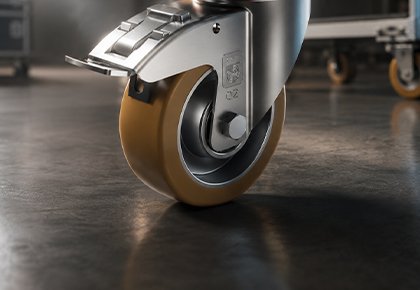
Rigid casters are typically the most affordable because they contain fewer moving parts. Swivel casters cost more due to their rotating bearing assemblies, while total-lock braking systems are generally the most expensive because of their advanced safety and locking mechanisms.
Conclusion: Make Smarter Mobility Investments with One Step
In today’s industrial landscape, effective cost management is not about reducing expenses at any cost—it is about ensuring operational continuity, protecting critical assets, and minimizing long-term maintenance requirements.
Selecting the right industrial wheels from trusted sources is one of the most important decisions you can make to protect your facility, employees, and productivity.
At One Step, we are committed to providing dependable and transparent mobility solutions for the Egyptian market. We offer a comprehensive range of local and international wheel options that meet the highest quality standards while remaining competitively priced.
As a trusted caster wheels supplier, One Step combines engineering expertise with customer-focused service to help businesses select the ideal mobility solutions for their specific applications.
Contact One Step today and let our specialists analyze your operational requirements, recommend the most suitable wheel configurations, and help you achieve the perfect balance between performance, durability, and cost efficiency.