- By Admin
- 21 Jun, 2026
- Corporate
Advantages of Polyurethane Wheels in Heavy Industrial Environments
Modern industrial facilities are constantly seeking the perfect balance between exceptional load-bearing capacity and smooth mobility to protect production lines from unexpected downtime. In demanding environments such as chemical plants, large distribution warehouses, and production facilities with sensitive flooring, the performance of wheels used on transport carts and equipment plays a critical role in overall operational efficiency.
For many years, businesses had to choose between the rigidity of steel wheels, which can damage floors, and the flexibility of rubber wheels, which often wear out quickly under heavy loads. However, advancements in material engineering have introduced an innovative solution that combines the best characteristics of both materials into a single product capable of delivering outstanding performance in the harshest operating conditions.
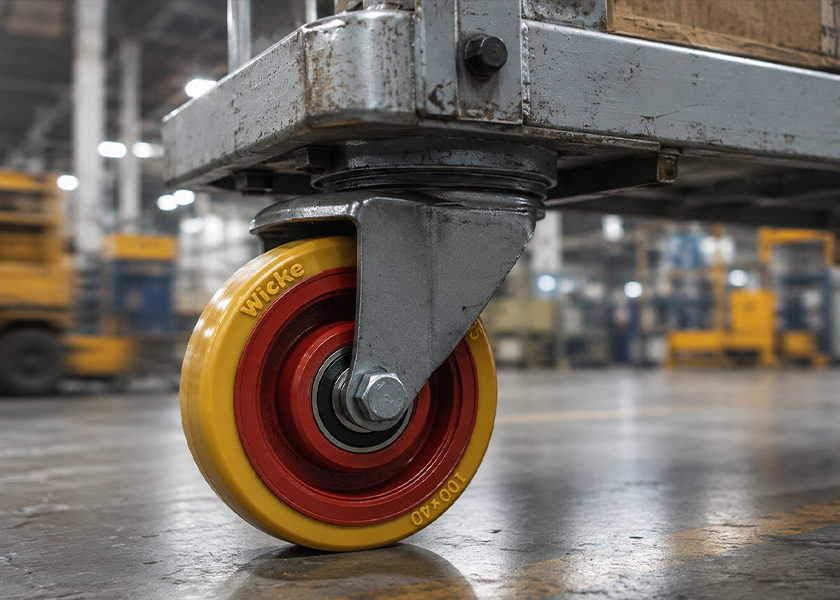
If you're looking to upgrade your facility’s mobility systems, investing in polyurethane caster wheels can be a game-changing decision that enhances durability while significantly reducing maintenance costs.
What Is Polyurethane and Why Is It the Industry’s Preferred Choice?
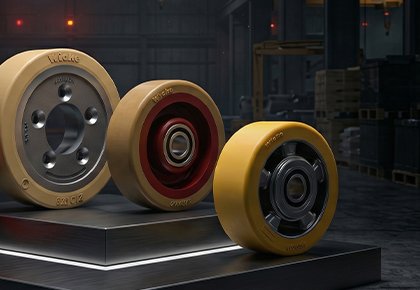
Polyurethane is an advanced polymer material that combines the flexibility and smooth rolling characteristics of rubber with the strength and durability of metal. This unique combination makes it an ideal material for industrial wheels that must perform reliably under extreme conditions without cracking, deforming, or losing efficiency.
One of polyurethane’s most valuable characteristics is its excellent elastic memory, allowing wheels to return to their original shape after supporting heavy loads. Unlike many plastic materials, polyurethane maintains its structural integrity over extended periods of use.
Key Benefits of Industrial Polyurethane Wheels
- Exceptional resistance to wear and abrasion
- Performs reliably on rough surfaces and industrial pathways without excessive deterioration.
- Superior floor protection
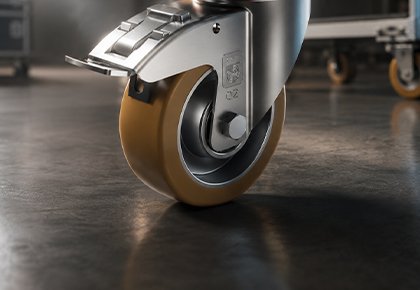
- Moves smoothly across epoxy-coated and polished concrete floors without leaving scratches or marks.
- Excellent chemical and oil resistance
- Withstands exposure to lubricants, industrial oils, cleaning agents, and many chemicals without degradation.
Why Modern Facilities Rely on Polyurethane Wheels
In today’s industrial environments, the true value of a component is measured not by its purchase price but by the long-term savings and operational reliability it provides. While lower-cost wheel alternatives may seem attractive initially, frequent replacements and production interruptions often make them significantly more expensive over time.
1. Reduced Noise and Enhanced Shock Absorption
Polyurethane wheels effectively absorb vibrations and impacts caused by uneven flooring, expansion joints, and minor surface defects. This creates a quieter working environment while protecting sensitive equipment from unnecessary stress.
2. High Load Capacity Comparable to Steel
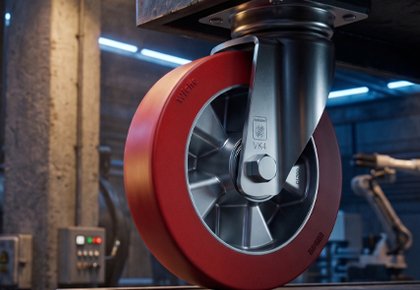
Despite their non-metallic outer surface, polyurethane wheels mounted on steel or aluminum cores can support extremely heavy loads, often reaching several tons while maintaining excellent stability and performance.
3. Low Rolling Resistance
Polyurethane wheels require significantly less force to start and maintain movement compared to traditional rubber wheels. This reduces operator fatigue and lowers energy consumption in powered transport systems and towing equipment.
Frequently Asked Questions About Polyurethane Industrial Wheels
Are polyurethane wheels suitable for wet environments and washdown areas?
Yes. Polyurethane offers excellent resistance to water and moisture and does not rust, rot, or support mold growth. For highly humid environments, wheels with nylon or stainless-steel cores are often recommended for maximum durability.
Why are polyurethane wheels considered better than rubber wheels in industrial facilities?
Polyurethane wheels generally support heavier loads, resist wear more effectively, do not leave black marks on floors, and offer superior resistance to oils, chemicals, and abrasion. As a result, they typically provide a much longer service life.
How does the work environment affect the choice of polyurethane hardness (durometer)?
Applications requiring quieter operation and maximum floor protection typically benefit from softer polyurethane compounds. Conversely, extremely heavy loads and mechanically towed equipment often require harder polyurethane formulations to reduce rolling resistance and increase load capacity.
Conclusion: Drive Operational Excellence with Step One
Investing in intelligent, high-performance mobility solutions is one of the key factors that separates industry leaders from conventional operations. Polyurethane wheels have consistently proven to be the ideal solution for businesses seeking durability, asset protection, operational efficiency, and safer working environments.
At Step One, we are committed to supplying premium-quality polyurethane industrial wheels that meet the highest international engineering standards. Contact our technical team today to help you select the ideal wheel specifications, load capacities, and configurations that will optimize your operations and support long-term business success.