- By Admin
- 21 Jun, 2026
- Corporate
A Complete Guide to Heavy-Duty Caster Wheels and High-Load Applications
The ability of industrial facilities and large warehouses to handle massive loads efficiently is a critical factor in maintaining productivity, safety, and operational continuity. When moving equipment that weighs several tons, even a small mistake in estimating load requirements or selecting the wrong mobility components can result in costly downtime, damaged infrastructure, and serious workplace safety risks.
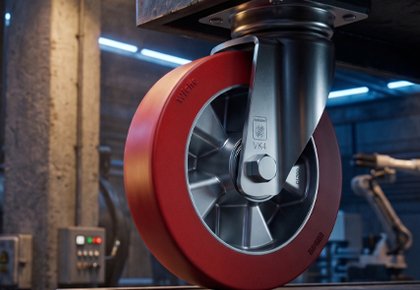
Behind every heavy machine, industrial container, and material-handling system that moves smoothly and safely lies a carefully engineered mobility solution. Heavy-duty caster wheels are specifically designed to withstand extreme loads, distribute weight effectively, and ensure reliable performance under demanding operating conditions.
Choosing the right caster wheels is not simply a purchasing decision—it is a strategic investment that protects your assets, enhances worker safety, and improves logistics efficiency.
If you want to ensure safe and sustainable equipment movement, understanding how to select the right heavy load caster wheels is the first step toward long-term operational success.
What Makes Heavy-Duty Caster Wheels Different?
Heavy-duty caster wheels are engineered with reinforced structures and advanced materials that allow them to distribute substantial loads evenly while minimizing rolling resistance. Their performance depends not only on wheel size or material thickness but also on structural strength, bearing quality, and shock resistance.
Several specialized components contribute to their exceptional load-bearing capabilities.
Reinforced Steel Frames
Heavy-duty caster frames are typically manufactured from hot-formed steel or thick cast iron, providing the structural strength necessary to withstand both vertical and horizontal forces.
Double Ball Bearing Systems
High-capacity sealed bearings reduce friction and enable smooth movement, even when supporting extremely heavy loads. These bearing systems also improve maneuverability and reduce operator effort.
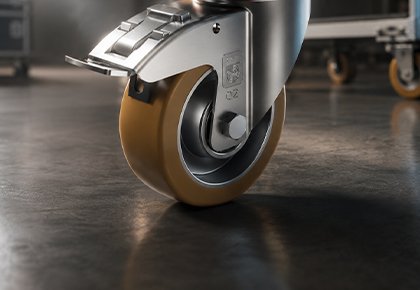
Advanced Locking and Safety Mechanisms
Many heavy-duty casters feature robust braking systems and total-lock mechanisms that prevent unwanted movement and improve workplace safety when equipment is stationary.
Critical Factors to Consider When Purchasing Heavy-Duty Wheels
Selecting wheels for high-load applications requires more than intuition. Proper wheel selection should be based on engineering calculations that account for weight distribution, operating conditions, and environmental factors.
The following considerations are essential when choosing heavy-duty caster wheels.
1. Accurate Load Capacity Calculations
Do not focus solely on the static weight of the equipment. Calculate the combined weight of the equipment and its maximum load, then divide that figure by the number of wheels while applying a safety factor to account for uneven surfaces and dynamic loading conditions.
2. Travel Speed and Movement Method
The method of transportation significantly affects wheel requirements. Equipment pulled by tow tractors or mechanical vehicles is exposed to greater dynamic forces than manually pushed carts and therefore requires higher-performance caster systems.
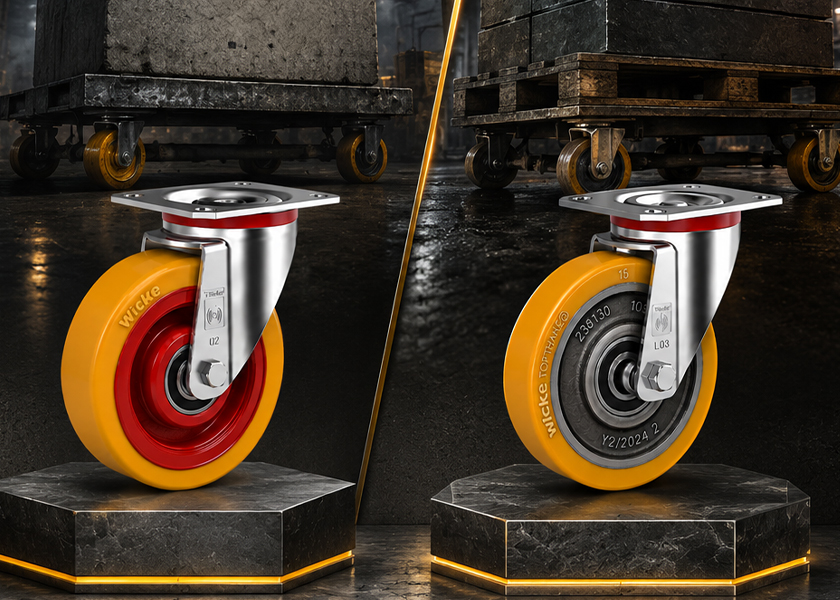
3. Wheel Material and Floor Conditions
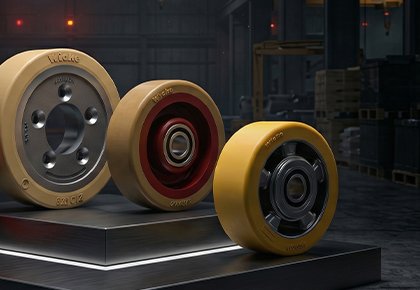
Cast Iron and Steel Wheels
These wheels are ideal for extremely heavy loads and high-temperature environments. However, they can generate noise and may damage delicate flooring surfaces.
Cast Polyurethane Wheels
Cast polyurethane provides an excellent balance of strength and floor protection. It supports substantial loads while preventing damage to epoxy-coated and polished concrete floors.
Frequently Asked Questions About Heavy-Load Caster Wheels
How can heavy-duty wheels support large loads without damaging factory floors?
Cast polyurethane wheels mounted on steel cores are often the ideal solution. They offer load capacities comparable to metal wheels while providing enough flexibility to protect epoxy and concrete flooring from wear and impact damage.
What is the difference between static load capacity and dynamic load capacity?
Static load capacity refers to the maximum weight a wheel can support while stationary. Dynamic load capacity refers to the weight a wheel can safely carry while moving. Dynamic capacity is generally the more important factor when selecting wheels for industrial applications.
Why do industrial facilities prefer heavy-duty casters with double ball bearings?
Double ball bearings distribute side loads more effectively, reduce the force required to initiate movement, improve maneuverability, and significantly extend the service life of the wheel assembly.
Conclusion: Protect Your Operations and Investments with One Step
Heavy-load applications require mobility solutions that deliver uncompromising strength, durability, and reliability. Choosing wheels that are not designed for demanding industrial environments can create unnecessary risks for equipment, facilities, and personnel.
Investing in high-quality engineering solutions from the beginning helps reduce maintenance costs, prevent operational disruptions, and provide long-term peace of mind.
At One Step, we understand the challenges associated with moving and supporting heavy industrial loads. That is why we offer a comprehensive range of heavy-duty mobility solutions and industrial caster wheels engineered to meet the highest international standards.
Contact One Step today and let our engineering team help you identify the precise wheel specifications required for your application, ensuring safe, efficient, and reliable movement for even the heaviest equipment.