- By Admin
- 21 Sep, 2026
- Corporate
The Comprehensive Guide to Selecting Warehouse Tires and Material Handling Equipment
The Ultimate Guide to Choosing Warehouse Wheels and Material Handling Equipment
Modern warehouses and distribution centers depend on the continuous movement of materials and goods between storage, receiving, picking, and shipping areas. Therefore, warehouse wheels and material handling wheels play an important role in making equipment easier to move and improving the efficiency of daily operations.
Choosing the right wheel is not simply about its size or load capacity. The selection should also consider the type of equipment, total load, floor conditions, frequency of use, and required movement pattern.
Specialized industrial wheel suppliers provide different solutions, including rubber, polyurethane, and polyamide wheels, as well as drive wheels, load wheels, and rollers designed for material handling equipment.
What Are Warehouse Wheels and Material Handling Wheels?
Warehouse wheels are wheels and casters used on equipment that helps transport products and materials inside warehouses, factories, and logistics facilities.
These wheels can be used on:
- Material transport carts
- Warehouse trolleys
- Material handling equipment
- Pallet trucks
- Forklifts
- Storage carts
- Internal logistics equipment
- Factory transport systems
- Warehouse handling equipment
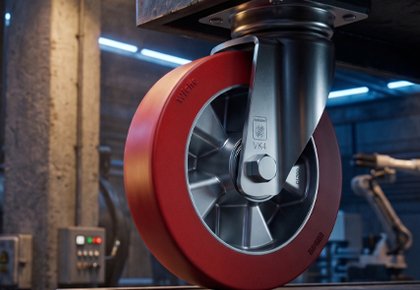
WICKE explains that selecting the right wheels and casters can affect ease of movement, floor protection, load capacity, and wheel service life. (WICKE)
Why Is Choosing the Right Warehouse Wheel Important?
Warehouse and material handling equipment may operate for long hours and transport heavy loads repeatedly. Using wheels that are not suitable for the application can make equipment difficult to move, increase wear, and lead to frequent replacements.
Choosing warehouse wheels in Saudi Arabia according to the actual operating conditions helps create a better match between the wheel, equipment, and working environment.
Easier Load Movement
The right wheel can help reduce resistance when starting and maintaining movement, particularly when equipment is carrying heavy loads.
Bearing type can also influence movement characteristics. WICKE offers different bearing options, including plain bearings, roller bearings, and ball bearings, depending on the application and operating requirements.
Load Capacity
Wheels should be selected according to the actual equipment weight plus the maximum expected load.
One Step offers different industrial wheel solutions with varying load capacities and specifications, including polyurethane, rubber, polyamide, drive wheels, and load wheels.
Reduced Wear
Using a wheel that matches the floor and operating conditions can help reduce unnecessary wear and extend service life.
Types of Wheels for Material Handling Equipment
There is no single wheel that is suitable for every warehouse or material handling application. The right choice depends on the equipment and how it is used.
1. Industrial Rubber Wheels
Rubber wheels are commonly used for industrial transport and internal logistics applications, especially where traction, shock absorption, and comfortable movement are important.
The appropriate rubber wheel specification depends on the load, floor, operating conditions, and product design.
2. Polyurethane Wheels
Polyurethane wheels are widely used in material handling and industrial transportation applications where a combination of load capacity, wear resistance, and suitable rolling characteristics is required.
One Step offers industrial wheel solutions in different materials and configurations for logistics, warehousing, and handling applications.
3. Polyamide Wheels
Polyamide is another option for industrial wheels and can be suitable for applications requiring a hard wheel material and high load capacity, provided that it is compatible with the floor and operating environment.
4. Drive Wheels
Drive wheels are used in material handling equipment such as forklifts and other powered warehouse systems.
They are designed to transfer driving force to the floor while supporting the required operating conditions.
One Step's drive wheel range is designed for electric forklifts and material handling equipment, with products available in different capacities and diameters.
5. Load Wheels
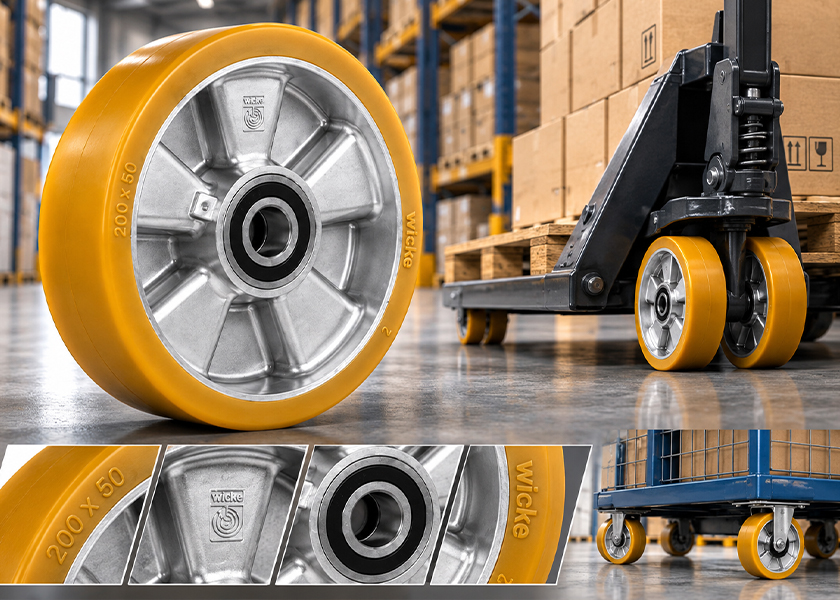
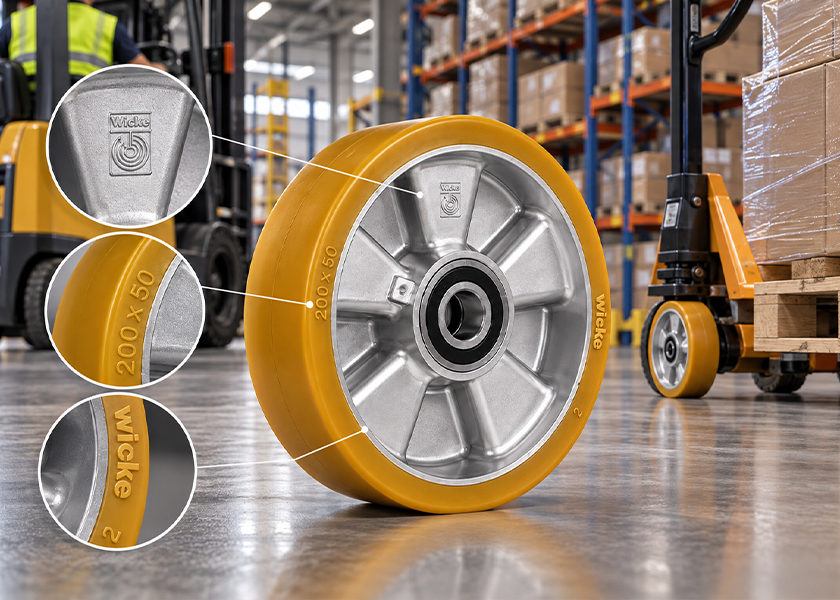
Load wheels are designed to carry substantial loads and are used in material handling equipment such as pallet trucks, forklifts, and stackers.
One Step's load wheel range includes polyurethane and steel-core solutions designed for heavy-duty material handling applications.
6. Rollers
Industrial rollers are commonly used in pallet trucks, conveyor systems, and material transport equipment.
One Step offers rollers designed with polyurethane and reinforced steel components for material handling applications, with configurations intended to support smooth movement and industrial floor protection.
How to Choose Warehouse Wheels in Saudi Arabia
When searching for warehouse wheels in Saudi Arabia, several factors should be evaluated before selecting a product.
Equipment Weight and Load
Start by calculating:
Equipment Weight + Maximum Load = Total Operating Weight
You should then consider how the load is distributed across the wheels rather than automatically assuming that the weight will always be distributed equally.
Floor Type
Warehouse floors can vary significantly from one facility to another, including:
- Concrete floors
- Industrial flooring
- Epoxy floors
- Tiles
- Uneven surfaces
Floor conditions have a direct impact on wheel material selection.
Frequency of Use
Equipment that moves several times per day has different requirements from equipment that operates continuously throughout a working shift.
As operating frequency increases, bearing type, tread material, durability, and overall wheel construction become increasingly important.
Wheel Diameter
Wheel diameter is another important consideration.
Larger wheels can make it easier to travel over small floor joints and minor irregularities, but the overall equipment height and available mounting space must also be considered.
Fixed or Swivel Wheels?
The choice between fixed and swivel casters depends on the required movement pattern.
Fixed Wheels
Fixed wheels are suitable when straight-line movement and directional stability are the main priorities.
Swivel Wheels
Swivel wheels allow equipment to change direction and provide greater maneuverability, particularly when carts operate in narrow warehouse aisles or around workstations.
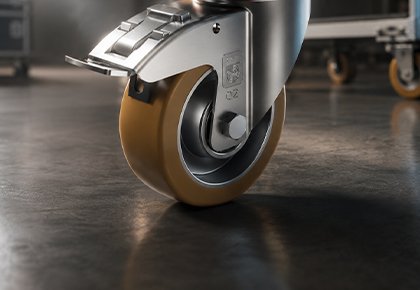
Swivel Wheels with Brakes
When a cart needs to remain stationary during loading or unloading, swivel casters with brakes can provide additional stability.
One Step's industrial caster range includes fixed, swivel, and swivel-with-brake configurations depending on the product category and application.
Logistics Wheels in Saudi Arabia: Supporting Internal Operations
Warehousing and logistics operations in Saudi Arabia require equipment capable of transporting goods and materials continuously between different areas of a facility.
This makes logistics wheels in Saudi Arabia an important component in equipment such as:
- Order-picking carts
- Storage carts
- Shipping preparation carts
- Material handling equipment
- Pallet trucks
- Internal transport equipment
- Production line carts
- Warehouse trolleys
Selecting the right wheels can help ensure that this equipment moves efficiently and remains suitable for its intended daily operating conditions.
Common Mistakes When Choosing Material Handling Wheels
Choosing Wheels Based Only on Price
Price should not be the only factor. Load capacity, wheel material, bearing type, operating conditions, and expected service life should also be considered.
Ignoring the Floor
A wheel that performs well on a smooth industrial floor may not be the right choice for an uneven or damaged surface.
Not Calculating the Maximum Load
Wheels should be selected according to the maximum expected operating weight rather than the average load alone.
Using the Same Wheel for Every Application
Forklift wheels, warehouse trolley wheels, pallet truck load wheels, and rollers have different operating requirements. Each application should therefore be evaluated separately.
How to Choose a Warehouse and Material Handling Wheel Supplier
When selecting a supplier, look for a company that offers different wheel solutions and can help you choose the appropriate product according to the actual application.
Important factors include:
- Different wheel materials
- Multiple load capacities
- Fixed and swivel casters
- Braked caster options
- Drive wheels
- Load wheels
- Rollers
- Different bearing configurations
- Clear technical specifications
- Technical support
One Step supplies industrial wheels and caster solutions for factories, warehouses, and material handling applications. The company identifies itself as an authorized agent for importing German WICKE industrial wheels and includes logistics and warehousing, handling and forklifts among its main categories.
Why Are Wheels Important for Warehouse Efficiency?
Warehouse efficiency depends on many elements, including storage systems, forklifts, conveyors, and internal transportation equipment.
The wheels installed on carts and material handling equipment also affect how easily materials move throughout the facility. Therefore, selecting material handling wheels in Saudi Arabia according to load, floor conditions, and operating frequency can be an important part of improving internal transportation operations.
The right wheel can contribute to smoother movement, appropriate load handling, and more reliable daily equipment performance.
Final Thoughts
Choosing warehouse wheels in Saudi Arabia requires an understanding of the actual operating environment before purchasing a product.
Load capacity, floor type, wheel diameter, wheel material, bearing type, frequency of use, and required movement pattern should all be considered.
Whether you need rubber wheels, polyurethane wheels, polyamide wheels, drive wheels, load wheels, or rollers, clearly defining the application requirements makes it easier to identify the right solution for warehouse, material handling, and logistics equipment.
Frequently Asked Questions
What are the best wheels for warehouses?
There is no single wheel that is best for every warehouse. The right option depends on load capacity, floor type, frequency of use, equipment type, and required maneuverability.
What is the best material for material handling wheels?
It depends on the application. Rubber, polyurethane, and polyamide are all used in industrial applications, but each material has different characteristics that should be matched to the operating environment.
How do I calculate the required wheel load capacity?
Start by calculating the total equipment weight and maximum load. Then consider load distribution, the number of wheels, and actual operating conditions before selecting the manufacturer's recommended load capacity.
Are swivel wheels suitable for warehouses?
Yes. Swivel wheels can be suitable for carts and equipment that need to change direction and maneuver through warehouse aisles and operating areas.
Does One Step provide warehouse and material handling wheels?
Yes. One Step provides industrial wheel and caster solutions covering warehouse, logistics, material handling, and forklift applications.